Filter
Tags
All News
Ai
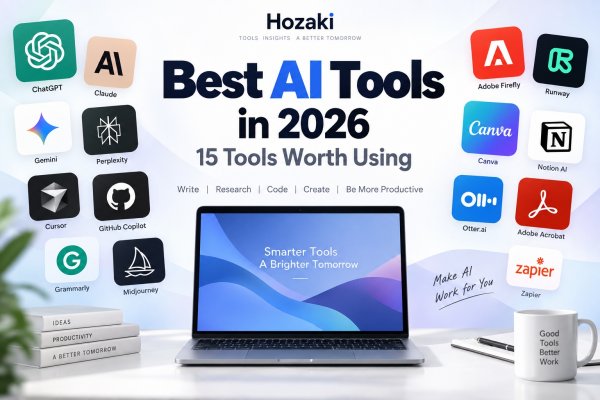
Best AI Tools to Try in 2026: 15 Picks for Different Tasks
Discover the best AI tools for writing, research, coding, images, productivity and more, with practical comparisons to help you find the right tool.
Ai
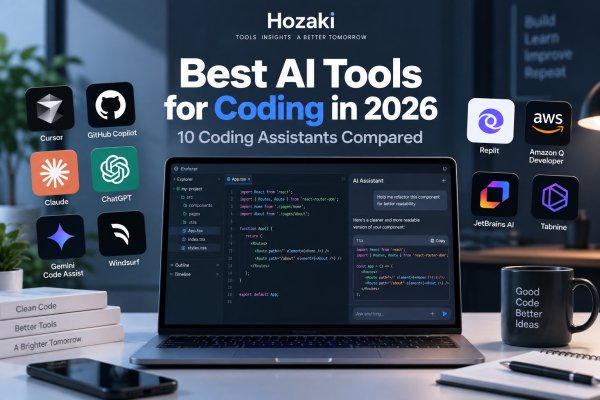
Best AI Tools for Coding: 10 Assistants Developers Should Try in 2026
Compare the best AI tools for coding in 2026, including Cursor, GitHub Copilot, Claude, ChatGPT and more for writing, debugging and understanding code.

Ai
Looking for a ChatGPT Alternative? 10 AI Assistants Worth Trying in 2026
Explore 10 ChatGPT alternatives for writing, research, coding, productivity and everyday AI, including Claude, Gemini, Perplexity and Copilot.
Ai
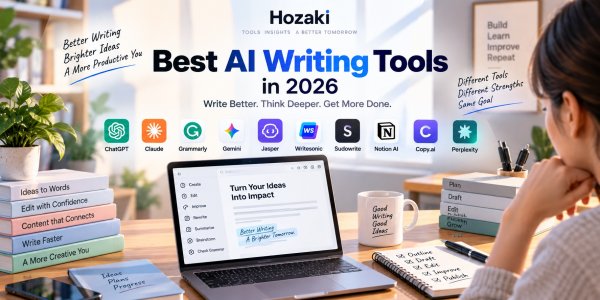
Best AI Tools for Writing: 10 Options for Different Types of Writers
Compare 10 AI writing tools for drafting, editing, blogs, marketing, research and fiction, including ChatGPT, Claude, Grammarly, Jasper and Gemini.

Ai
Best AI Tools for Students: 10 Ways to Study Smarter in 2026
Compare 10 AI tools for students in 2026 for studying, research, writing, notes, math, PDFs and presentations, with free and paid options.

Ai
Best AI Tools for PDFs: 10 Ways to Chat, Summarize and Analyze Documents
Compare the best AI PDF tools in 2026 for chatting with PDFs, summarizing documents, research papers, studying and analyzing long files.

Ai
Best AI Literature Review Tools for Finding, Reading and Comparing Research
Compare AI literature review tools for finding papers, screening studies, citations, evidence extraction, reading PDFs and research synthesis.

Ai
AI Hallucinations Explained: Why AI Can Sound Right When It's Wrong
What is an AI hallucination? Learn why AI makes up facts, citations and answers, see real examples, and discover how to reduce hallucinations.

Ai
Why AI Hallucinates: What Actually Causes Made-Up Answers
Why does AI hallucinate? Learn 8 reasons ChatGPT and other AI models make up facts, citations and answers—and what can reduce the problem.
Ai
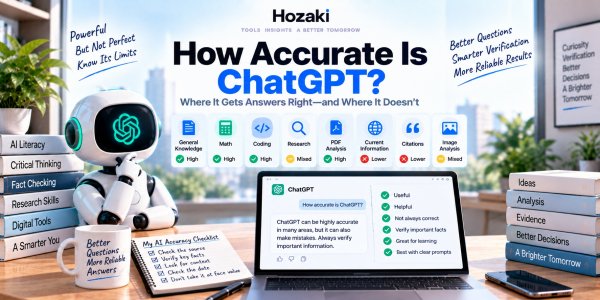
How Reliable Is ChatGPT? Where It Gets Answers Right—and Where It Doesn't
How accurate is ChatGPT? Learn where ChatGPT is reliable, where it makes mistakes, why accuracy varies, and how to verify its answers in 2026.

Ai
Should You Trust ChatGPT? A Practical Guide to Knowing When to Verify
Can you trust ChatGPT? Learn when its answers are useful, when you should verify them, what information not to trust blindly, and how to use it safely.

Ai
Can ChatGPT Access the Internet? How Its Web Search Actually Works
Does ChatGPT use the internet? Learn when ChatGPT can search the web, when it relies on other information, and how to tell if an answer is current.

Ai
Best AI Tools for Research: 10 Options for Finding, Checking and Understanding Sources
Compare 10 AI research tools for web research, academic papers, literature reviews, citations, PDFs and deep research in 2026.

Ai
Where ChatGPT Gets Its Answers: Training Data, Web Search, Files and More
Where does ChatGPT get its information? Learn how training data, web search, conversation context, uploaded files and tools contribute to ChatGPT answers.
Ai
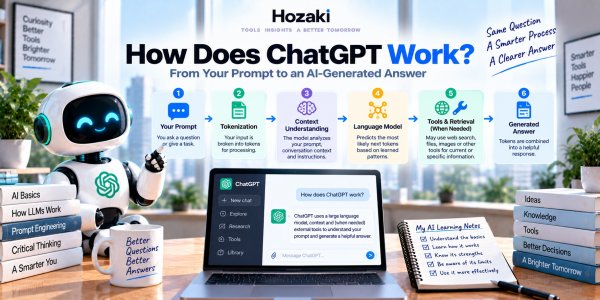
How ChatGPT Actually Works: From Your Prompt to an AI-Generated Answer
How does ChatGPT work? Learn how ChatGPT uses language models, tokens, training, context and tools to understand prompts and generate answers.