
Behavioral Economics – How Real Decisions Actually Work
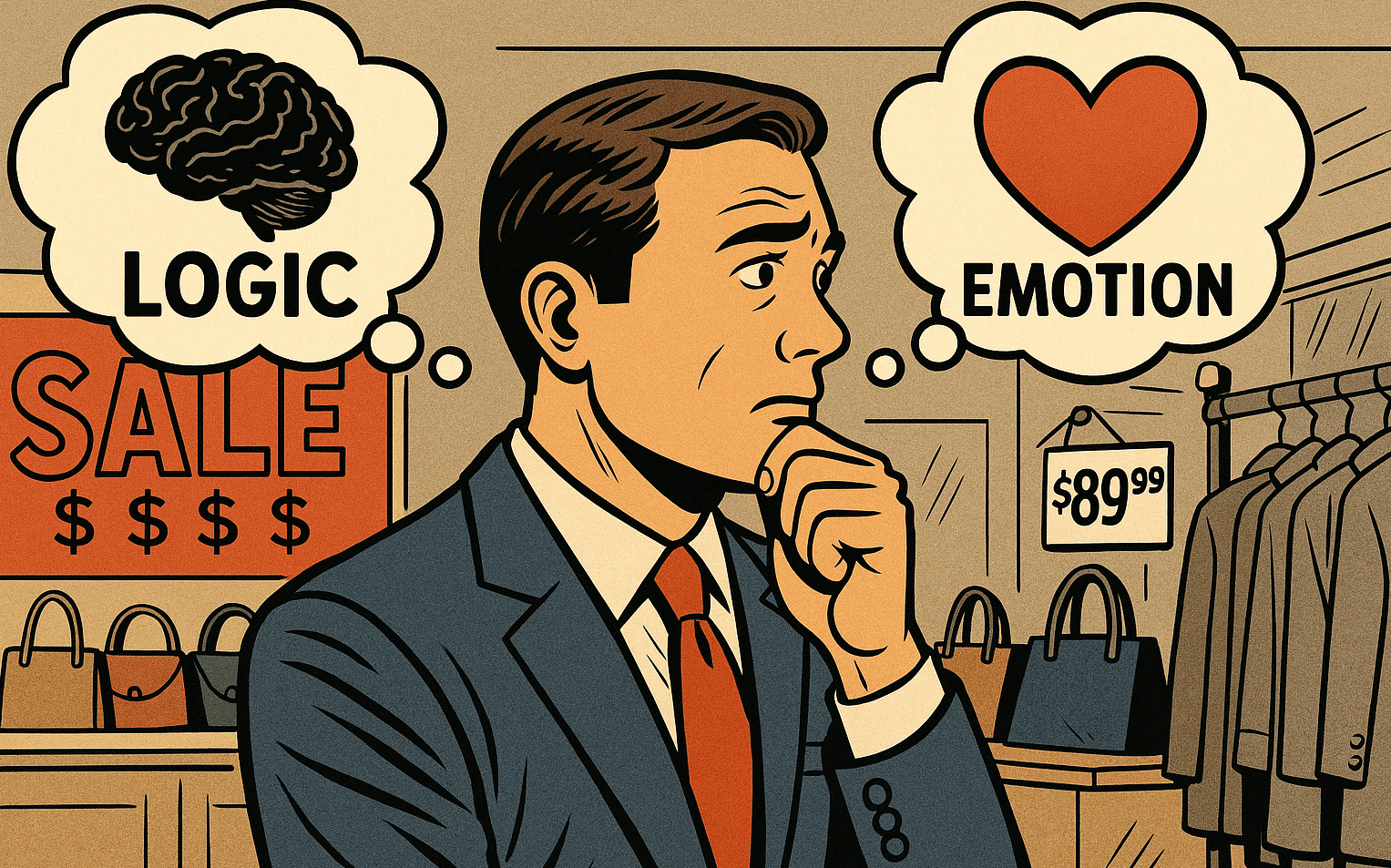
Standard economics assumes cool heads, full information, and unbreakable self control. Real life runs on shortcuts, emotion, habits, social cues, and limited attention. Behavioral economics studies those human patterns and folds them into the math so models line up with how people actually choose at the checkout, in a contract, or at the ballot box. Master the patterns and you can design products, policies, and daily routines that work with human nature instead of fighting it. That is not touchy-feely. It is operational discipline.
From rational agents to bounded humans
Classical theory imagines people who calculate every option and pick the best. Herbert Simon cut through that dream with bounded rationality. We do not search forever. We satisfice. We stop when something looks good enough. That works most days, yet it leaves money on the table when the search rule is weak or when the layout hides better choices. Kahneman and Tversky pushed further with prospect theory and showed that choices swing around a reference point. Losses sting more than equal gains please. The curve is steeper for losses, flatter for gains, and sensitivity shrinks as amounts grow. That means a one-unit drop hurts more than a one-unit rise helps, and a second one-unit drop hurts less than the first. Strategy starts to change once you accept that people will pay to avoid a loss that exists only on paper.
Bounded self control is the second pillar. We plan to do hard things next week and hope our future self will be a saint. Hyperbolic discounting captures that story. We value immediate rewards sharply more than delayed rewards, and we treat next week versus two weeks from now as a smaller gap than today versus tomorrow. That creates time inconsistency. The plan you approve on Sunday night is not the plan you follow on Wednesday afternoon. Any program that relies on perfect willpower will stall without guardrails.
Heuristics and the mental shortcuts that usually help and sometimes crash
The brain runs rules of thumb to move fast in a noisy world. Representativeness jumps to conclusions based on similarity and ignores base rates. Availability overweights vivid events because they are easy to recall. Anchoring sticks to the first number we see and adjusts too little. Confirmation bias searches for evidence that fits our first story. Overconfidence narrows ranges and drives poor forecasting. Status quo bias favors the current setting just because change feels costly. The endowment effect raises the value we assign to things we already own compared with identical things we do not. Sunk cost thinking keeps bad projects alive because quitting feels like admitting failure.
These heuristics exist for reasons that once made sense. They still help in routines where the cost of slow calculation is high. They hurt when the stakes are large, the data are rich, and the right answer is counterintuitive. The fix is to design choice environments that blunt the worst errors and steer attention to the highest-yield facts.
Prospect theory without the jargon
Prospect theory replaces abstract utility curves with a value function defined on gains and losses relative to a reference point. That point might be your current pay, the price you first saw, or yesterday’s quota. Loss aversion means the pain of losing one unit is bigger than the joy of gaining one unit. Diminishing sensitivity means a change from one to two feels larger than a change from ninety-one to ninety-two. Probability weighting means we overreact to small probabilities and underreact to moderate ones. People buy lottery tickets and also buy extended warranties for very low-risk events. Framing changes choices because it shifts the reference point. A surgery with a ninety percent survival frame gets more approvals than the same surgery with a ten percent mortality frame.
Operational takeaway. If you must ask someone to accept a change, present it as avoiding a loss relative to a clear baseline rather than as chasing a gain. If you need buy-in for a risky yet sound project, replace verbal probabilities with frequency frames and anchor on base rates before moving to specifics. If you want more accurate forecasts, force wide ranges first, then allow narrowing with data.
Mental accounting and why labels matter
Money is supposed to be fungible. In practice, people create mental buckets. Rent. Groceries. Fun money. Windfall money gets spent differently than salary money. A discount on a flight can trigger a splurge at the hotel because the flight savings feel separate. This labeling breaks standard add-up logic but can be harnessed. Payroll saving works because people never see the cash in the spending bucket. Gas or food rebates locked to a dedicated card protect budgets because the label fights temptation. For leadership, the signal is to separate recurring and one-off items in dashboards so teams do not spend a windfall twice.
Present bias, commitment, and why future you needs a bodyguard
Present bias tilts choices toward now. That is why subscriptions renew, alarm clocks get snoozed, and long-term projects slip behind urgent mail. Commitment devices protect goals from short term temptation. Cooling off periods stop instant purchases that would later cause regret. Time-locked savings make it easy to say yes today and hard to say no tomorrow. Pre-commitment to meeting agendas turns vague brainstorms into decisions. In workplaces, default cadences for code reviews, maintenance, and training lock in compounding improvements that get crowded out during peak weeks. Good leaders remove willpower from the equation by moving key steps onto rails.
Social preferences and why fairness can beat strict payoff maximization
People are not indifferent to the distribution of outcomes. Fairness and reciprocity shape choices even without formal enforcement. Ultimatum games show that low offers get rejected even though a tiny gain beats zero. Trust games show that people return funds when trust is signaled and norms are clear. In markets, the lesson is to treat counterparties in a way that builds a reputation for balance. Hidden tricks might raise this quarter’s number and cut next quarter’s pipeline in half. In policy, transparency and reasons for rules help because citizens will accept constraints when they believe others are also held to the same standard.
Identity, norms, and the “people like me” effect
Behavior tracks identity and norms more than we admit. If the message says most peers in your building cut energy use last month, you will tend to follow. If the message says many people did not pay a tax on time, non-payment rises because the norm you just broadcast is that late is normal. The design rule is to publish positive norms and avoid normalizing the bad behavior you are trying to curb. Identity cues work best when you speak in the voice of the group and make the desired action feel like part of that role.
Choice architecture that respects autonomy and raises follow-through
Choice architecture is the layout of options, defaults, and information. Small tweaks can deliver large gains when they remove friction on the good path and add friction on the costly path. Defaults are the strongest lever. Automatic enrollment in saving plans multiplies participation because saying yes today is easy and staying in is passive. Clean opt-outs protect autonomy. Pre-filled forms raise compliance. Smart order effects show key facts before minor details so people do not anchor on a random number. Bite-sized commitments beat epic pledges because small wins build momentum. The goal is not to trick anyone. The goal is to make the helpful option the path of least resistance and to make the harmful option require an explicit and informed choice.
Limited attention, salience, and the war for focus
Attention is scarce. Salient features draw choice even when they should not. A bold “zero fees first year” can swamp a fine print list of long-run charges. A flashy discount hides a smaller pack size. For designers the fix is radical clarity. Unit prices next to shelf prices. All-in costs before any upsell. One outcome chart instead of ten bullet points. For your own decisions, slow down the first glance and force a check of total cost over the full period. That habit saves more money than any tip list.
Learning, feedback, and why short loops win
People learn from feedback that is fast, clear, and tied to their action. They do not learn from vague signals that arrive months later. That is why a step counter raises walking more than a pamphlet on heart health and why a weekly business review with four numbers beats a quarterly binder of anecdotes. Behavioral economics does not replace management. It demands better management. Show the score. Shorten cycles. Celebrate specific wins tied to a move you want repeated.
Markets are not immune to bias
Some students think markets wash away bias. Markets punish consistent mistakes eventually, but they can also amplify herd behavior for years. Anchoring and recency can drive pricing fads. Narrow framing of performance windows can push managers to hit short-term targets while hurting long-term value. Overconfidence can lead to crowded trades and fragile balance sheets. The antidote is boring. Write rules before emotions run hot. Diversify. Test decisions against base rates. Use premortems to surface failure modes before they bite. Build review rituals that reward process quality, not only lucky outcomes.
Pricing, promotions, and the behavioral launch checklist
Pricing taps every bias on the sheet. Odd-ending prices feel lower than round ones. Bundles hide add-up math. Free trials exploit present bias. Time limits add urgency. None of this is new. The high road is to use fair versions that discipline choice without deception. Frame prices as a monthly amount when the service renews each month. Show anchor prices only if the anchor is real. Replace hidden fees with transparent all-in quotes and let the product compete on value. Firms that grow through tricks churn customers and burn brand capital. Firms that grow through clarity and useful defaults win repeat business and lower support costs.
Behavioral finance without the hype
Households chase recent returns, sell winners too early, and hold losers too long. They anchor on purchase prices and treat dividends as special even though money is money. The practical fix is simple rules with commitment. Automate saving. Rebalance on a calendar rather than on a hunch. Use target ranges so moves do not rely on mood. Write an “if… then…” plan for downturns and tape it to the desk. That plan will beat ninety percent of hot takes because it was written before adrenaline showed up.
Health, education, and small levers with big outcomes
In health, reminders synced to daily routines beat lectures. Pill packs with days of the week printed on them reduce missed doses. Default appointments raise screening rates more than mailed flyers. In classrooms, short goal-setting exercises that link today’s task to a named future plan raise completion. Text nudges to parents increase attendance. None of these steps require speeches about grit. They require respect for limited attention and a plan to put the right prompt in the right place at the right time.
Labor markets and behavior inside firms
Pay design interacts with loss aversion. A bonus that can be lost for poor performance can motivate more than the same bonus framed as a gain, yet heavy loss frames can also create stress and churn. Balance is key. Predictable schedules reduce cognitive load and raise reliability, which shows up in lower turnover. Recognition that is immediate and specific beats generic praise at quarter end. Training sticks when learners practice quickly on real tasks and see feedback inside days, not months. Culture is choice architecture at scale. Rituals, defaults, and dashboards do more to shape behavior than mission posters.
Public policy without illusions
Behavioral tools help with tax compliance, traffic safety, energy use, and program take-up. Pre-filled returns raise filing rates. Letters that state a firm date and time for a tax visit cut arrears. Roadside speed signs that flash your current speed lower accidents on the same day. Home energy reports that compare your use to efficient neighbors reduce waste. The catch is ethics and evidence. Do not exploit cognitive limits to push outcomes that would fail a transparent vote. Test at small scale before going wide. Publish results. Keep opt-outs clear. A nudge that cannot survive daylight does not deserve a budget.
Measurement that separates signal from swagger
A behavioral change is only as good as its measured effect. The tool kit starts with randomized trials and A/B testing to estimate causal impact. Layer in difference-in-differences when randomization is not possible and you have a credible comparison group. Track both uptake and outcomes. A sign-up spike can fade if the program is hard to use. Measure heterogeneity. A message that helps one group can hurt another. Look for persistence. Did behavior revert after the prompt stopped. Finally, track cost per outcome. A one percent gain can be a bargain or a waste depending on price.
External validity is the recurring headache. What worked in one city or one channel might flop elsewhere. The way around that problem is to test core mechanisms rather than only finished scripts. If the mechanism is present bias, then any step that moves action today rather than next week should help. If the mechanism is loss aversion, then any framing that avoids making good users feel punished should help. Mechanism-level thinking travels better across settings.
Ethics and guardrails
Power over defaults and frames is real power. Use it with rules. Make the default the option most people would pick after reading the facts. Keep opt-outs one click away. Be transparent about data use. Avoid dark patterns that hide fees or trap users. Publish your evaluation plan and results. Invite outside review. These steps build trust and protect the program when politics get loud.
Common pitfalls that sink behavioral projects
Teams bolt a clever message onto a broken process. Uptake rises then satisfaction crashes because delivery cannot keep up. Others overfit to a one-time win and keep pushing a tactic long after users wise up. Another failure mode is the vanity metric. A thousand clicks look great until you connect them to conversions and find a rounding error. The cure is basic: map the full funnel and fix the bottleneck before you tune a headline. Ship in small batches. Kill weak ideas quickly and copy strong ones system-wide. Do not let a nudge distract from the heavy lift of infrastructure, hiring, or training when those are the real blockers.
Field rules for designing behavioral solutions
Start with a blunt problem statement tied to a number. Define the behavior to change and the step where it fails. Write a user story that runs hour by hour. Insert supports at the moments of truth. Use defaults for the heavy lift. Use reminders and social proof near the edge. Pre-commit where self control fails. Reduce clutter and make the next good action painfully obvious. Test two or three variants. Pick the winner and move on. This is not art for art’s sake. It is the operations manual for human systems.
Three short narratives that turn theory into muscle memory
A city wanted households to pay municipal bills on time. Letters with legal threats underperformed. A new letter used a firm due date on the first line, listed simple payment steps, and added a sentence that nine out of ten neighbors pay on time. Payment rates rose and calls to the help line fell because the process was clear.
A firm struggled with safety lapses on a busy floor. Posters did nothing. The team added a thirty-second checklist before each shift that required the supervisor and one worker to read back key steps while pointing to the actual equipment. Incidents dropped. The shift ritual did more than rules posted at the door.
A school fought absenteeism. Texts to parents that named the student, stated the days missed, and asked for a plan for the next week cut absence more than general reminders. The key was specificity and a near-term plan, not a generic appeal.
A practical debiasing kit you can use tomorrow
Pre-mortem every big decision by writing one page from the future where it failed and naming the causes. Force base rates first by naming outcomes for similar projects before you read your favorite pitch. Separate the chooser from the doer by setting defaults and rules in calm periods, then executing in hot periods without ad hoc edits. Use checklists for recurring tasks and keep them short. Publish dashboards with a handful of outcome metrics so attention stays on the scoreboard that matters. Pair every new incentive with a guardrail against gaming. Make opt-outs easy so people trust your defaults. None of this requires poetry. It requires respect for how minds work under noise and pressure.
Wrapping It Up
Treat people as they are. Build systems that assume attention is narrow, self control wobbles, and fairness matters. Put the helpful choice on rails. Make the harmful choice explicit and a little harder. Tell users the truth in words they use at home. Measure results like a hawk and stop doing what does not work. Keep ethics tight so users trust the structure even when they disagree with a call. Do these simple things on repeat and your plans will stop crashing into human nature. They will ride with it. That is the edge behavioral economics gives you. Not clever slogans. Reliable follow-through.